- The Yellow Bird
- Archive
- Page -37
Archive

Over-Reliance on Cardio And its Metabolic Trade-offs
There are programs that somehow rely on the focus on effort, more cardio, less food, more discipline, but overlook recovery. When the body stays in a constant high-output, low-recovery state, fat loss, energy, and hunger signals all start to shift in ways that feel confusing. This newsletter breaks down why that happens in midlife and what actually helps restore balance.



How to Balance Metabolism and Hormones in Women Over 40
After 40, metabolism and hormones don’t “break” , they shift. Changes in estrogen, progesterone, insulin sensitivity, and muscle mass quietly reshape how the body produces and uses energy, often making familiar habits feel less effective. This newsletter breaks down the science behind those shifts and offers practical, evidence-based strategies to restore metabolic stability and hormonal resilience in midlife.

Understanding Satiety Signals to the Brain in Women Over 40
After 40, the way your brain interprets hunger and fullness quietly changes, not because your appetite is “off,” but because shifting hormones, metabolism, and gut-brain signaling alter how satiety is processed. This newsletter breaks down the science behind those changes and shows how to restore clearer, more reliable hunger and fullness cues through evidence-based, practical strategies.

Reclaiming Creativity in Midlife: Why a Beginner’s Mindset Is a Neurobiological Advantage After 40
Creativity is often thought of as talent, but in reality it is a state of the nervous system shaped by curiosity, safety, and willingness to begin again. In midlife, when hormonal shifts, stress load, and identity roles can narrow our sense of exploration, the beginner’s mindset becomes a powerful biological and psychological tool. This newsletter explores how letting go of self-judgment and returning to simple curiosity can reopen learning, enhance emotional wellbeing, and restore a sense of possibility after 40.

Focusing on the One Thing We Actually Control: Present-Moment Response in Midlife Health and Resilience
In midlife, the real shift is not just hormonal, it is functional. As the nervous system becomes more sensitive to stress, sleep disruption, and metabolic change, the question of wellbeing narrows to something far more precise: what can we actually control? This newsletter explores how thriving after 40 is less about managing everything around you and more about mastering your present-moment response, the only consistent point of influence you truly have, and the foundation of resilience, clarity, and emotional stability in perimenopause and menopause.

GLP-1 and Decision Fatigue: Is “Mental Quiet” Real, and What Does It Mean for Behavior Beyond Appetite?
Some people taking GLP-1 medications report something unexpected: not just reduced appetite, but a quieter mind, fewer intrusive food thoughts, less impulsive decision-making, and a sense of cognitive space they didn’t have before. This newsletter explores whether GLP-1s are simply suppressing hunger, or if they may also be reshaping reward processing, decision fatigue, and everyday behavioral patterns, especially in women over 40 navigating hormonal and metabolic change.
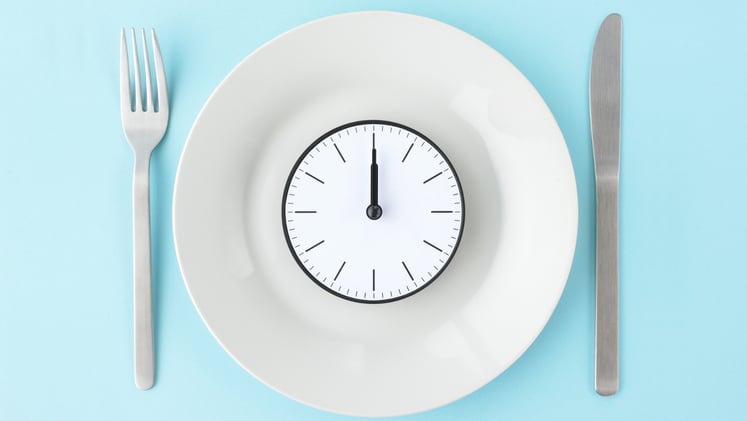
Correct Timing for Women’s Nutrition in Midlife (40+): A Clinical and Evidence-Based Guide for Perimenopause and Menopause
Midlife brings a quiet but profound shift in how a woman’s body processes food, driven by changes in estrogen, circadian rhythm, and metabolic flexibility. This newsletter explores why when you eat may matter just as much as what you eat after 40, and how strategic meal timing can support better energy, stable weight, improved sleep, and healthier aging through perimenopause and menopause.

Weight Loss Pills vs Diet & Exercise: Why People React So Strongly (and What It Reveals About Weight Stigma)
Many women trying to lose weight already carry enough pressure without judgment from others or from themselves. This newsletter breaks down a recent study showing why people often react negatively to GLP-1 medications like semaglutide, how “diet vs medication” comparisons shape these reactions, and why these beliefs can unintentionally increase harmful eating behaviors. Most importantly, it explains what this means for real women navigating weight loss in midlife ,and how to approach your health without shame, comparison, or extremes.

Low-Dose Semaglutide for Weight Loss During Menopause: What It Does, Why It Works Differently After 40, and What Actually Matters Long-Term
Many women in their 40s and beyond notice weight gain despite doing “everything right,” leading to frustration and confusion as their body stops responding the same way it used to. This newsletter explains what is really happening during menopause, why appetite and fat storage change, and how low-dose semaglutide fits in ,not as a shortcut, but as a support tool. It also breaks down what actually leads to lasting results when working with midlife biology instead of against it.

Advanced Hydration & Electrolyte Strategies for Women Over 40
Midlife brings shifts in hormones, metabolism, and fluid balance that most guides completely overlook. Proper hydration and electrolyte balance isn’t just about drinking water—it’s about supporting your energy, brain function, mood, and joint health at a cellular level. This guide reveals the science-backed strategies, foods, and timing techniques to keep your body fully hydrated and thriving in midlife.

Healing Anxiety Through Your Stomach: A Nutrition Guide for Women Over 40
Anxiety in midlife isn’t just in your mind, it’s deeply connected to your gut. For women navigating perimenopause and menopause, hormonal shifts, stress, and changing metabolism can make anxiety feel overwhelming. This newsletter reveals how targeted nutrition, gut-friendly foods, and specific lifestyle strategies can calm your nervous system, support neurotransmitter balance, and restore emotional resilience, giving you practical, science-backed tools to feel steadier, more grounded, and in control.